ASSL Akili Smart Solutions Limited
About

Built here, for the conditions that are actually here.

Akili Smart Solutions Limited is an applied technology company. We design and build artificial intelligence, data, earth observation and digital systems, and we train the people who will run them after we leave.

Registered
Tanzania
Based
Dodoma
Structure
4 divisions, 10 capability lines
The name

Akili is Swahili for intelligence.

The company is named in the language of the country it works in, and the name says what it does. Akili Smart Solutions Limited, shortened to ASSL, builds systems that reason about evidence: in mines, on farms, inside ministries and across the ground, weather and water of Tanzania.

Why the company exists

There is no shortage of technology arriving in East Africa. There is a shortage of technology that survives contact with it, and of people still able to run it once the vendor has gone.

Systems designed elsewhere assume connectivity, power, device estates and record quality that do not hold here. They are deployed, they underperform, and the conclusion drawn is that the institution was not ready.

Usually the institution was fine. The specification was wrong.

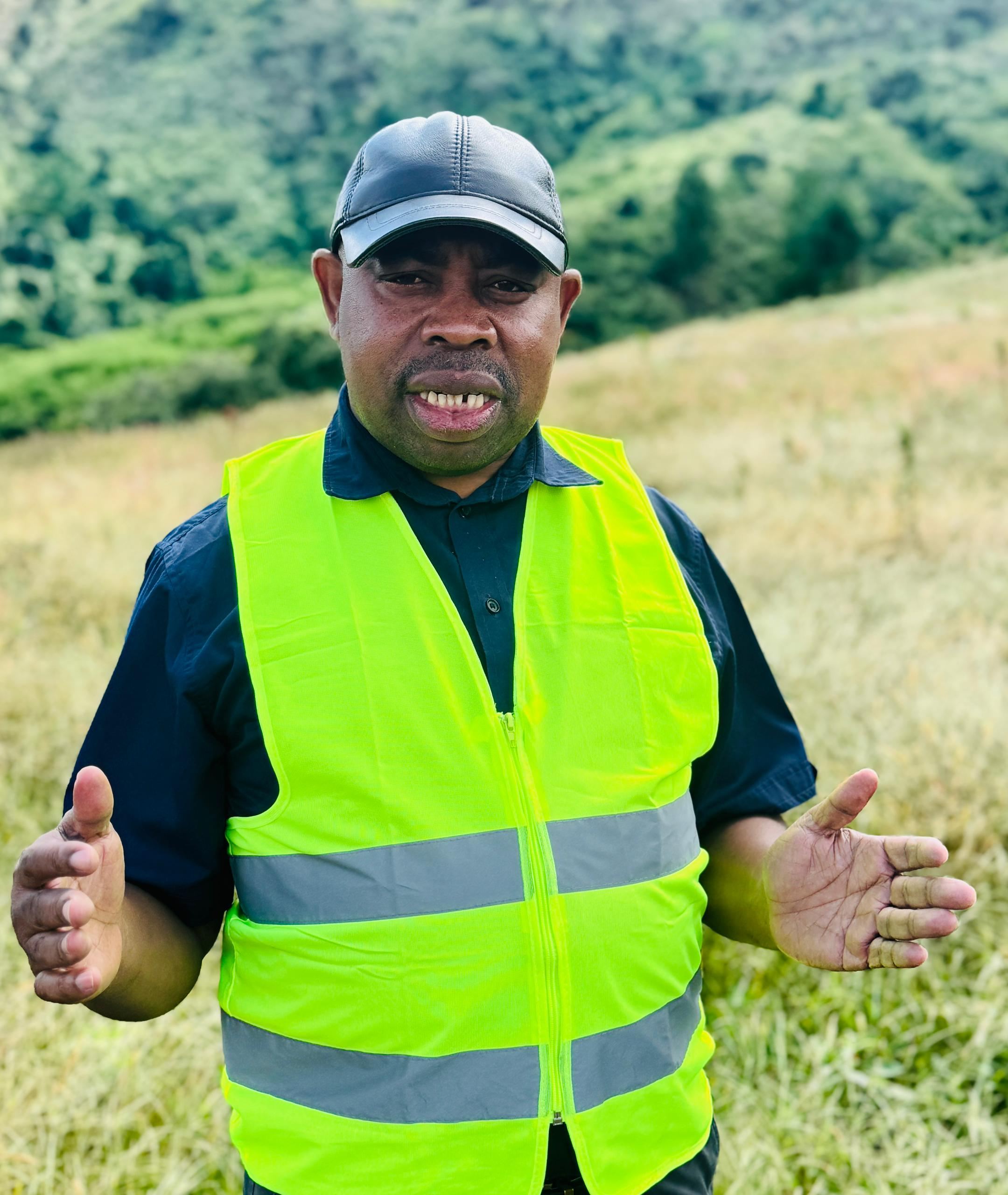
An ASSL engineer working on equipment in the field

So we start from the other end. The conditions are the specification: the bandwidth, the power, the languages, the geology, the records as they actually exist, and the skills of the team who will inherit the system.

That is a harder engineering problem than importing a platform, and it produces something that is still working in year three. It also means the work is genuinely local: the research, the engineering and the support all sit in the same country as the problem.

The company is organised to be able to do all of it. Ten capability lines, from the research laboratory through to the hardware in the field, under one accountable party.

Dodoma Engineering, research and support in the same country as the problem

4
Operating divisions
Intelligence, Data, Earth, Practice
10
Capability lines
Each registered in the memorandum
15
Sectors served
From mining to media
1
Accountable party
Sensor to board pack
How it is organised

Four divisions, deliberately.

Not by technology stack and not by client size. By what the systems are for.

01

Intelligence

Systems that reason

Software and artificial intelligence built to carry a decision, not to demonstrate a technique.

The engineering division. It takes a problem currently solved by a person reading a screen and turns it into a system that reasons about the same evidence faster, more consistently, and with its working shown. Everything else we do eventually runs on something this division built.

02

Data

Systems that remember

The pipelines, warehouses and archives that make an organisation legible to itself.

Most institutions are not short of data. They are short of a single place where that data is correct, current and governed. This division builds that place and the discipline around it: acquisition, cleaning, modelling, security, retention, and the long work of turning paper and legacy systems into records that will still open in thirty years.

03

Earth

Systems that observe

Geoscience, mining, agriculture and climate, read through satellites, sensors and models.

Tanzania's economy sits on ground, weather and water. This division instruments all three: mineral exploration and mine optimisation, geographic information and remote sensing, precision agriculture, climate and environmental monitoring, delivered as working systems rather than as reports.

04

Practice

Systems that hold

The creative surface, the skills, the advice and the equipment that make a system last.

A system nobody can operate is a prototype. This division covers everything around the build: the interfaces and media that make it usable, the training that makes it survivable, the advisory that keeps it pointed at the right problem, and the hardware it runs on.

Operating principles

Six commitments we are willing to be held to.

Each one costs us something. That is how you know it is a commitment rather than a slogan.

01

Evidence over demonstration

A model that performs in a presentation and not on the client's own data has not been built, it has been rehearsed. We validate on local data, publish the measure, and say plainly when a method does not clear the bar.

02

Build where the problem is

Systems designed elsewhere arrive assuming bandwidth, power and record quality that do not hold here. Engineering for local conditions is not a limitation to work around; it is the specification.

03

Transfer the capability

Every engagement ends with people inside the institution who can operate, change and extend what we built. Retained dependency is a commercial convenience and a professional failure.

04

Own the whole stack

From the sensor in the field to the figure in the board pack. When one organisation is accountable for the data, the model, the interface and the hardware, there is nowhere for a failure to hide.

05

Governed by default

Security, access control, audit trails, retention and lineage are designed in at the start. Added afterwards they are expensive, partial and usually ignored.

06

Say what it will cost

A costed plan before commitment, a stated measure of success, and an honest account of what will not be possible. Scope that moves is agreed in writing, not absorbed in silence.

The other half

What we will not do.

A capability list is only credible next to its boundary.

Sell a model we have not validated hereIf a method has not been measured against your data, under your conditions, we will say it is unproven rather than imply it is proven.
Build a system nobody can operateIf an institution cannot staff the operation of what is proposed, the proposal is wrong, and we will redesign it rather than deliver it and leave.
Quote before we understand the decisionA number produced before the Frame and Survey stages is a guess wearing a suit. We will not put one in writing.
Hold your data or your source hostageEverything transfers. No proprietary format that only we can open, no dependency engineered to be hard to leave.
Promise a date we have not costedTimelines come out of architecture, not out of a sales conversation. We would rather lose the work than agree to a schedule we cannot meet.
Take work outside our registered objectsIf it is not in the memorandum, published on the capability pages, we will tell you and point you somewhere better.
People

The team.

Engineers, scientists and the specialist network around them.

Dr. Mussa Daniel Budeba

Chief Executive Officer

Engineer Lucas D. Mlekwa

Engineer Lucas D. Mlekwa

Director

If the way we work sounds like the way you would want this done, the next step is a conversation.

Next step

Tell us the decision that is going wrong.

Not the technology you think you need. The decision, who makes it, and on what evidence. We will tell you plainly whether there is a system in it.